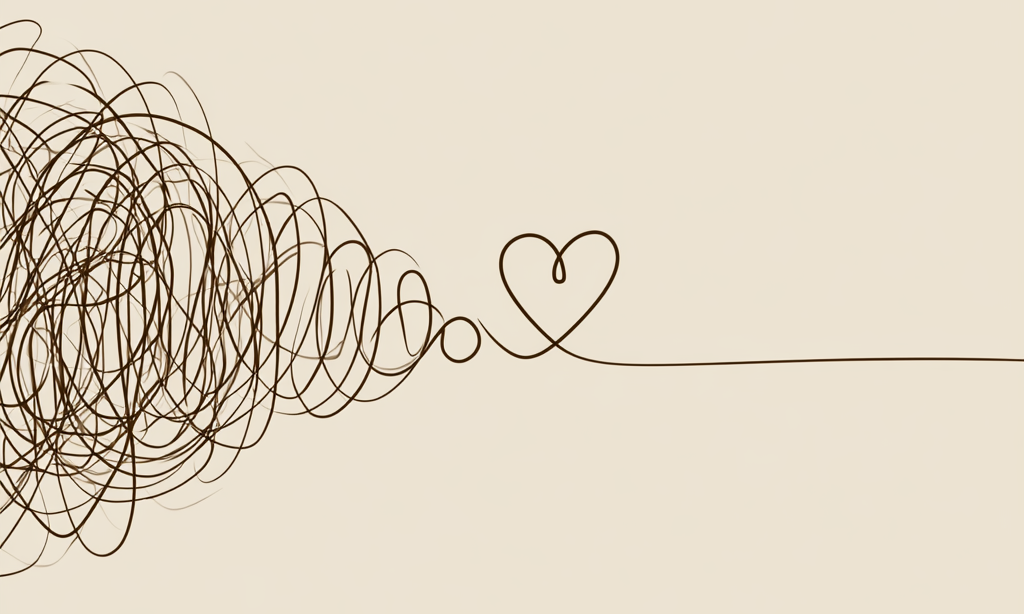
The Locked Door

The lock was never what kept you safe
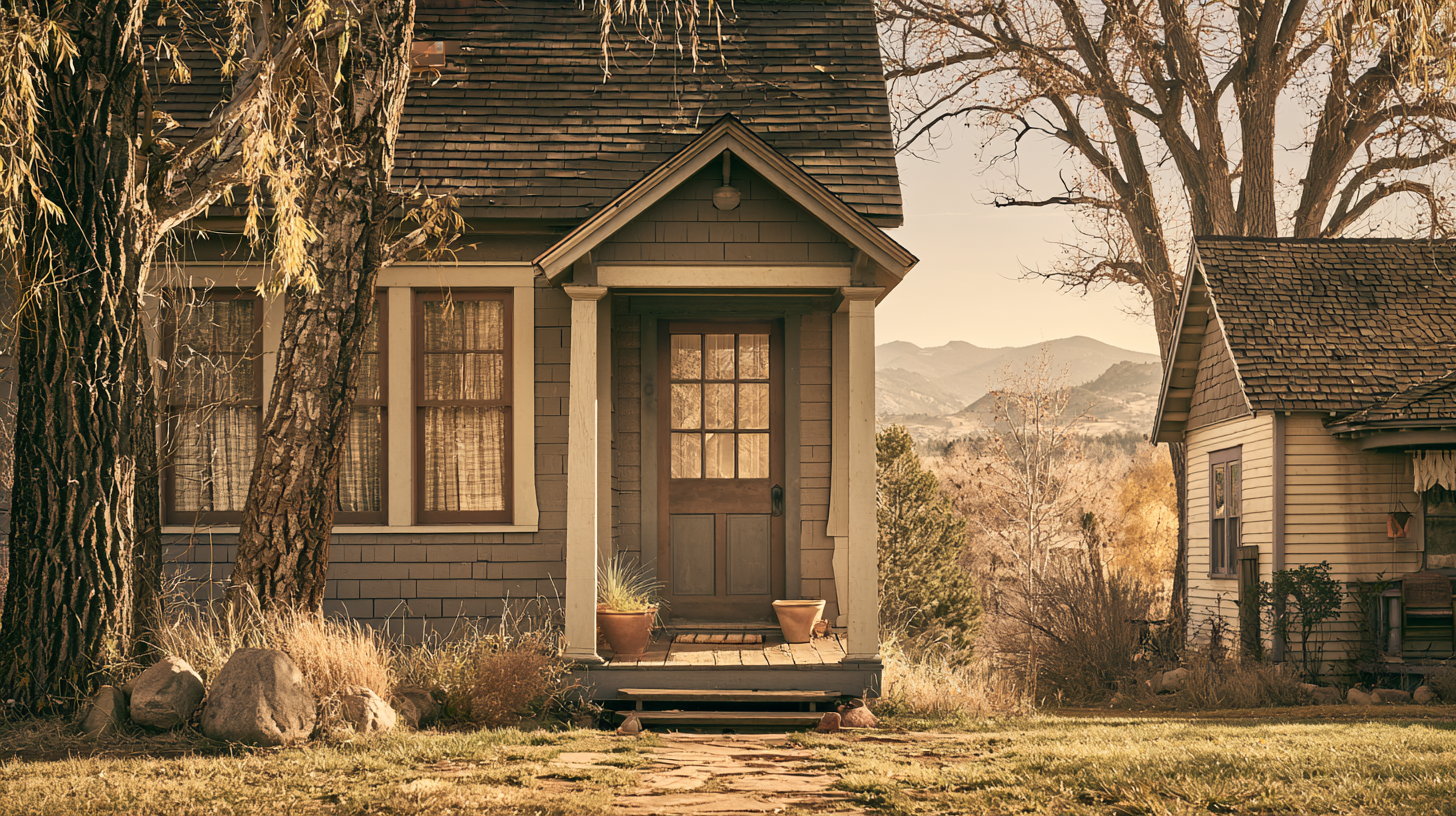
There's a particular comfort in the sound of a deadbolt sliding home at night. The click means the day is done and the world is outside where it belongs. We built the wall, we set the lock, and now we are safe.
Except most of what keeps a house safe was never the lock.
Think about the last time something actually went wrong at home. A pipe burst. A storm took the power out for three days. A kid got locked out. Someone fell and couldn't get up. In those moments the person who helps you is almost never a stranger the deadbolt kept away. It's the neighbor two doors down who knows your name, who has your spare key, who noticed your car hadn't moved all day and knocked to check.
The locked door protects you from something rare. The neighbor who knows your name protects you from almost everything else. And you only get that neighbor by doing the thing the locked door is designed to prevent — opening it, walking out, letting yourself be seen on an ordinary afternoon when nothing is wrong.
We do the same thing with our hearts
We do the same thing with our hearts, and we call it safety too.
We decide that the less someone can see of us, the less they can hurt us. So we keep the tidy version out front and the real one behind the deadbolt. It feels like protection. In calm weather it even works. Nobody gets in, so nobody gets to wound us.
But hearts, like houses, don't get tested in calm weather. They get tested in the storm. The diagnosis. The loss. The long season where everything comes loose at once. And a closed heart in a storm is a locked house with no neighbors. Technically secure. Completely alone.

Safer means building something new, not going back
Here's the part that's easy to miss.
The answer isn't to knock the walls down and go back to some younger, more trusting version of you, the one who hadn't been hurt yet. That version is gone, and rebuilding it wouldn't be safety. It would be pretending you don't know what you know.
What actually makes you safer is something new. Built, not restored. It's the slow, specific work of letting a few particular people learn your real name, knowing full well they might get it wrong sometimes, might disappoint you, might one day leave. Each time you let someone in and the roof doesn't cave, you're not returning to who you used to be. You're constructing something that earlier version never had. A life with neighbors.
-
Yes. After betrayal the instinct is to lock everything down, which feels safer but leaves both people alone inside the same house. A relationship intensive gives you concentrated, uninterrupted time to understand what happened and build something new — not a restored version of the old relationship, but a sturdier one.
-
Desire discrepancy — sometimes called mismatched libido — is when partners want physical intimacy at different levels or in different ways. It's one of the most common things couples bring in, and it's rarely about one person being "the problem." Often it lives in the space between you, where vulnerability has quietly gone behind a locked door. Working on it in an intensive tends to shift its meaning and its grip, even when the gap itself doesn't vanish.
The open door is the sturdier kind of safe
That's the quiet trade at the center of every close relationship. A little exposure now, in fair weather, so that someone is already inside when the wind picks up.
Vulnerability tends to get talked about as the reckless option. Most of the time it's the opposite. The open door isn't the absence of protection. It's the better kind, the kind that shows up when the power's out and it's dark and loud and you need someone who already knows where you keep the candles.
You can keep the deadbolt. Just don't mistake it for the whole plan.
If you've been living behind a locked heart — after a betrayal, or through the quiet distance of mismatched desire — and you're tired of how alone it gets in the storm, that's worth talking about. The work isn't tearing your walls down. It's building something sturdier in their place: a way of being close that holds. When you're ready, reach out for a conversation and we'll see what's possible. I work with couples in Louisville and across Boulder County, in ongoing sessions and concentrated relationship intensives.