When Trust Breaks: Moving Through Betrayal, Not Around It
When betrayal enters a relationship, time seems to break in two: there is the life you had before you knew, and the life you're living now.
Many of the couples who reach out to me in Louisville arrive in exactly that fracture — disoriented, exhausted, and asking some version of the same question: can this even be repaired, and if it can, how long will we have to live inside this pain?
I want to be honest with you, because I think you can feel it when a therapist isn't. Betrayal is not a problem you patch over in a session or two. But it is also not the end of the story it first appears to be. What I've come to trust, after years of sitting with couples in this exact place, is that betrayal recovery is less about going back to who you were and more about authoring something new together. And for that kind of work, the format matters as much as the method.
Why weekly sessions can feel like bailing a boat
In the acute aftermath of an affair or a broken trust, a great deal is happening at once. The hurt partner is flooded — checking phones, replaying timelines, swinging between rage and longing. The partner who broke trust is often caught between defensiveness and shame, unsure whether to explain, apologize, or disappear. A fifty-minute session once a week can become a place where you barely manage to name the week's newest wound before the hour is up. You leave raw, you white-knuckle it for six days, and you return to start again. It's not that weekly therapy can't help — it can — but in the early storm of betrayal it can feel like bailing water faster than the boat takes it on.

What an intensive actually is
A relational intensive compresses what might otherwise take months of weekly sessions into a focused, immersive stretch of time — often a full day, or several days, of dedicated work. Instead of opening a wound and then sending you home to manage it alone, we stay in it together long enough to move through it. There's room to slow down. There's room to let the conversation reach the layer beneath the layer, where the real conversation usually lives.
In an intensive built around betrayal, we're typically moving through a few connected stages. We make sense of what happened — not to assign blame, but to understand the conditions and the unmet needs that surrounded it. We create a structure for the hurt partner's questions and the flooding that comes with them, so it doesn't run the relationship around the clock. And we begin the slow, careful work of attunement: the partner who broke trust learning to turn toward the pain they caused rather than away from it, which is the real beginning of repair.
From symptom relief to transformational change
I often talk with clients about the difference between first-order and second-order change. First-order change eases the symptom: you promise to share passwords, you cut off contact, you say the right things. Those steps matter, and they can lower the immediate temperature. But on their own they tend to leave the underlying rules of the relationship untouched — and betrayal, painful as it is, is very often a signal that something in those underlying rules wasn't working.
Second-order change is different. It's a change to the rules altogether: how you handle distance, how you ask for what you need, how you stay reachable to each other when you're afraid. An intensive is well suited to this deeper work precisely because it gives you the uninterrupted time to get past symptom management and into the structure of how you love each other. That's the work that actually holds.
The point isn't to "go back to normal"
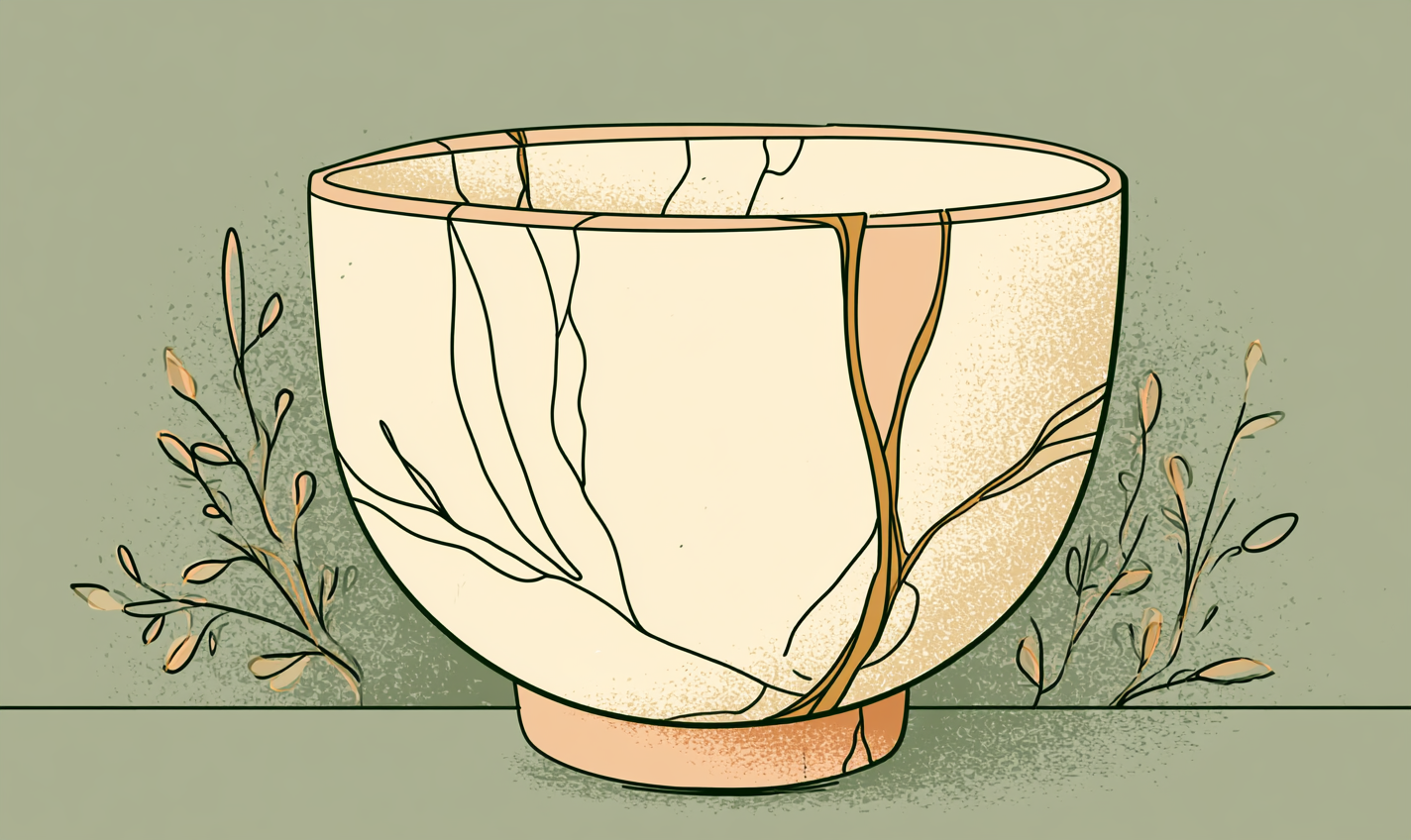
One of the gentlest and hardest truths I share is that most couples don't want to return to the relationship they had before — because that relationship, in some quiet way, was part of how you got here. The aim of betrayal work isn't restoration to a previous version. It's authoring a relationship that's more honest, more reachable, and more genuinely chosen than the one that came before. Some couples discover, through this work, a closeness they hadn't known was possible. Others reach clarity that the kindest path is to part with care. Both are forms of healing, and neither is a failure.
-
Our intensives are curated for you. Typically, they’re 18 clinical hours over 30-days with an intake meeting, followed by several half days of intensive work, and wrapping up with a consolidation session. That said, the cadence is something we design together to meet your, real human, needs.
-
No. Some couples come to me with a fresh wound; others have carried an old betrayal quietly for years, never fully repaired, still shaping how they reach for each other. An intensive can fit either way. In fact, betrayals that were "moved past" rather than genuinely worked through often have the most to gain from focused, immersive attention.
Is an intensive right for you?
An intensive isn't the right starting point for everyone, and I'd never pretend otherwise. It asks for a particular readiness — a willingness, from both partners, to stay in something difficult for a sustained stretch rather than retreat. But for couples in the thick of betrayal who are tired of bailing the boat one session at a time, it can offer something weekly therapy struggles to: enough room, all at once, to begin again.
If you're carrying this kind of pain right now, I want you to know it's possible to move through it — not around it — and come out somewhere new. Let's start with a free conversation about whether an intensive fits your situation. No pressure, no pitch — just a chance to be heard.
Take the first step toward building a stronger, more connected relationship. Schedule your Free Initial Consultation today and begin your journey toward understanding and a renewed relationship with yourself and each other.